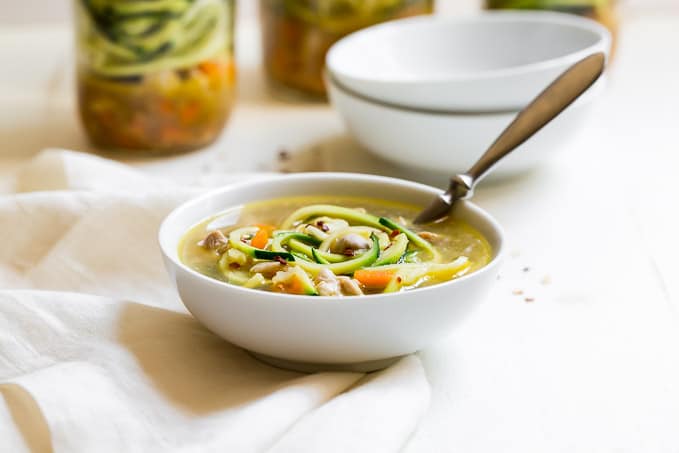
Mastering Asian Zucchini Noodle Soup Jars: No-Soggy Prep
In our fast-paced world, finding time for healthy, delicious, and convenient meals can feel like a constant battle. We crave the comfort of a warm, savory soup, but often shy away from the carb-heavy noodles or the dreaded prospect of soggy vegetables when prepping ahead. Enter the ingenious solution: **asian chicken zucchini noodle instant soup jars**. These culinary marvels offer a low-carb, high-flavor, and incredibly practical way to enjoy a satisfying meal on the go, without compromising on texture or taste. Forget limp noodles and watery broth; with a few smart techniques, you can master the art of the no-soggy prep, transforming your lunch routine into something truly special.
The beauty of these soup jars lies in their clever design, leveraging the layered structure of a mason jar to keep ingredients fresh and separate until you're ready to add hot water. This not only preserves the integrity of delicate components like zucchini noodles but also makes for an impressive visual feast. Whether you're a seasoned meal prepper or just starting your journey towards healthier, more organized eating, these instant soup jars are a game-changer. They provide a comforting and nutritious alternative to traditional noodle soups, packing all the vibrant flavors of Asian cuisine into a portable package.
The Art of the No-Soggy Zucchini Noodle: Your Core Secret
The most common apprehension when it comes to zucchini noodles, especially in a soup context, is their propensity to turn soggy. This is the cornerstone of mastering your **asian chicken zucchini noodle instant soup jars**. Preventing this watery fate is simpler than you might think, relying on proper preparation and strategic layering.
Pre-Spiralized vs. Homemade: Draining for Success
Your first decision might be whether to buy pre-spiralized zucchini noodles or make them yourself. Both options work beautifully, but each comes with its own considerations for moisture control.
*
Pre-Spiralized Zucchini Noodles: Often found in the produce section of well-stocked grocery stores, these are a fantastic convenience. A major advantage is that they are frequently pre-drained, meaning a good amount of excess moisture has already been removed. This gives you a head start on preventing sogginess. When using store-bought spirals, it's still a good practice to pat them gently with a paper towel before layering, just to catch any residual dampness.
*
Homemade Zucchini Noodles: If you're spiralizing zucchini at home, taking an extra step to remove moisture is crucial. After spiralizing, spread your zucchini noodles out on a clean baking sheet or large plate. Sprinkle them liberally with a pinch of salt (the salt draws out water through osmosis). Let them sit for 15-20 minutes. You'll notice beads of water forming on the surface. Then, gather the noodles into small bundles and gently squeeze out the excess water, either with your hands or by pressing them between layers of paper towels. The more water you remove now, the firmer your noodles will be when rehydrated in the soup. This extra effort will be well worth it when you bite into perfectly al dente zucchini noodles.
Layering is Key: The Mason Jar Advantage
The ingenious design of a mason jar isn't just for aesthetics; it's fundamental to the "no-soggy" promise of these instant soup jars. The layering technique ensures that ingredients that can withstand prolonged contact with liquid are at the bottom, while the delicate zucchini noodles remain dry and separate at the top.
Here’s the ideal layering order, working from bottom to top:
1.
Flavor Base/Sauce: Start with your concentrated flavor base. This could be miso paste, soy sauce, a touch of sesame oil, sriracha, minced garlic, and ginger. These ingredients will dissolve into the hot water, creating a rich broth.
2.
Cooked Protein: Next, add your cooked shredded chicken.
3.
Hardier Vegetables: Ingredients like thinly sliced carrots, mushrooms, bell peppers, or snap peas go here. These vegetables benefit from a longer "steep" time in the hot water.
4.
Softer Greens/Delicate Veggies: Spinach, bok choy, or bean sprouts can be added on top of the hardier veggies.
5.
Zucchini Noodles: This is the golden rule – your carefully drained zucchini noodles go *last*, right on top. They should sit above the main liquid line (when the jar is filled with hot water) and only get fully submerged moments before eating. This minimizes their exposure to heat and moisture until you're ready to eat, ensuring they retain their crisp-tender texture.
While mason jars are ideal for their sturdy, airtight seal and wide mouth for easy filling and eating, you can use other airtight containers. If using a different container, just be mindful of the layering. If your container isn't suitable for microwaving or has a smaller opening, you can always dump the contents into a bowl, add boiling water, and microwave from there. For more tips on crafting delicious, healthy lunches, check out our guide on
Instant Zucchini Noodle Soup Jars: Your Healthy Low-Carb Lunch.
Crafting Your Perfect Asian Chicken Zucchini Noodle Instant Soup Jar
Beyond preventing sogginess, the magic of these jars lies in their immense customizability. You can truly make each **asian chicken zucchini noodle instant soup jar** your own, experimenting with different flavor profiles and ingredients to suit your palate.
Essential Components for Authentic Flavor
To build a truly delicious Asian-inspired soup, consider these key elements:
*
The Broth Base: This is where the magic begins. A combination of low-sodium chicken broth (which you'll add hot later), miso paste (for umami depth), soy sauce (or tamari for gluten-free), a dash of sesame oil, and fresh aromatics like minced ginger and garlic are fundamental. For a spicy kick, don't shy away from a dollop of Sriracha or chili garlic sauce.
*
The Protein Powerhouse: Cooked, shredded chicken is the classic choice for these jars. Rotisserie chicken is a fantastic time-saver! You can also opt for thinly sliced cooked pork, shrimp, or tofu for vegetarian versions.
*
Vibrant Vegetables: A mix of textures and colors makes for a more exciting soup. Think thinly sliced carrots, red bell peppers, shiitake mushrooms, baby corn, water chestnuts, or edamame. For a pop of green, spinach, bok choy, or napa cabbage work wonderfully.
*
Garnishes Galore: Don't forget the finishing touches! Fresh cilantro, sliced green onions, a wedge of lime for a squeeze of acidity, or a sprinkle of toasted sesame seeds can elevate your soup from good to gourmet.
Step-by-Step Jar Assembly
Let's put it all together into an exemplary **asian chicken zucchini noodle instant soup jar**:
1.
Start with Flavor: At the very bottom of your clean, dry mason jar (quart-sized is ideal), place 1-2 teaspoons of miso paste, 1 tablespoon of low-sodium soy sauce, 1/2 teaspoon of sesame oil, 1/2 teaspoon of minced fresh ginger, 1/4 teaspoon of minced garlic, and a pinch of red pepper flakes or Sriracha if desired.
2.
Add Your Protein: Layer about 1/2 to 3/4 cup of cooked, shredded chicken over the flavor paste.
3.
Introduce Hardier Veggies: Neatly arrange about 1/2 cup of thinly sliced carrots, bell peppers, and mushrooms on top of the chicken.
4.
Follow with Softer Greens: Next, add a handful of baby spinach or thinly sliced bok choy.
5.
Crown with Zucchini Noodles: Finally, gently place your well-drained zucchini noodles on top, filling the rest of the jar. Leave about an inch of space at the very top for expansion and the boiling water.
6.
Seal and Store: Tightly screw on the lid. Your masterpiece is ready for the fridge!
Storage, Prep, and Reheating for Maximum Freshness
One of the greatest appeals of **asian chicken zucchini noodle instant soup jars** is their incredible utility for meal prepping. Knowing how to properly store and reheat them is crucial for enjoying fresh, delicious meals throughout your week.
Fridge Life & Reheating Instructions
These ready-to-eat soup jars are designed for convenience and a reasonable shelf life. When properly assembled with the zucchini noodles layered on top, they will last beautifully in the refrigerator for up to 4 to 5 days. This makes them perfect for preparing a week's worth of lunches on a Sunday afternoon.
When hunger strikes:
1.
Add Boiling Water: Unscrew the lid and carefully pour boiling water directly into the jar, filling it almost to the brim. Make sure all the ingredients, especially the zucchini noodles, are submerged.
2.
Steep: Allow the jar to sit for 3-5 minutes, giving the hot water time to warm the ingredients and gently soften the zucchini noodles.
3.
Microwave (Optional): If you prefer your soup piping hot or want the noodles a bit softer, you can microwave the jar (without the lid, if it's glass) for an additional 1-2 minutes. Always exercise caution when microwaving hot liquids.
4.
Stir and Enjoy: Give everything a good stir to thoroughly mix the flavor base into the broth. Enjoy your freshly prepared, no-soggy Asian chicken zucchini noodle instant soup!
If you happen to have traditional cooked soup leftovers that originally contained zucchini noodles, they can be stored in the fridge for 2-3 days. However, be aware that the zucchini noodles will likely be much softer than if prepared fresh in a jar. For those seeking even more meal prep inspiration, explore
Low-Carb Asian Zucchini Noodle Soup Jars for Easy Meal Prep.
Meal Prep Hacks & Freezing Tips
For ultimate meal prep efficiency, consider these smart strategies:
*
Batch Cook Components: Cook a large batch of chicken and chop all your vegetables at the beginning of the week. Store these components separately in the fridge. This makes assembling your jars a quick 5-minute task each day or for a couple of days at a time.
*
Freezing the Soup Base: While you cannot freeze zucchini noodles directly in the jars (they become mushy upon thawing), you can absolutely freeze the *cooked soup broth* (without the noodles or any other delicate veggies) for future use. Simply thaw, heat, and then add your fresh zucchini noodles and other fresh jar components.
*
Freezing Cooked Chicken and Veggies: Cooked shredded chicken and blanched hardier vegetables (like carrots or bell peppers) can be frozen in individual portions. When you're ready to make a jar, thaw the chicken and veggies, and then proceed with fresh zucchini noodles. Always use fresh zucchini spirals, as they simply do not freeze well on their own; their high water content makes them turn to mush when thawed.
By implementing these strategies, you can minimize waste, maximize convenience, and always have the components on hand to whip up a fresh and delicious **asian chicken zucchini noodle instant soup jar**.
Conclusion
Embracing the convenience and health benefits of **asian chicken zucchini noodle instant soup jars** is a smart move for anyone looking to simplify their meal prep without sacrificing flavor or nutrition. With the simple, yet crucial, techniques of proper zucchini noodle preparation and strategic layering, you can confidently say goodbye to soggy lunches. These versatile jars offer a customizable, low-carb solution that brings the vibrant tastes of Asian cuisine right to your fingertips, ready to be enjoyed with just a pour of hot water. Start mastering your own no-soggy soup jars today, and transform your approach to healthy, convenient eating.